The funny thing about genius is that we know it when we see it… Or hear it.
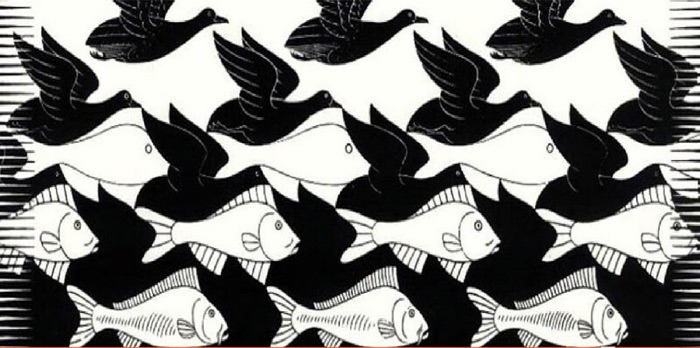
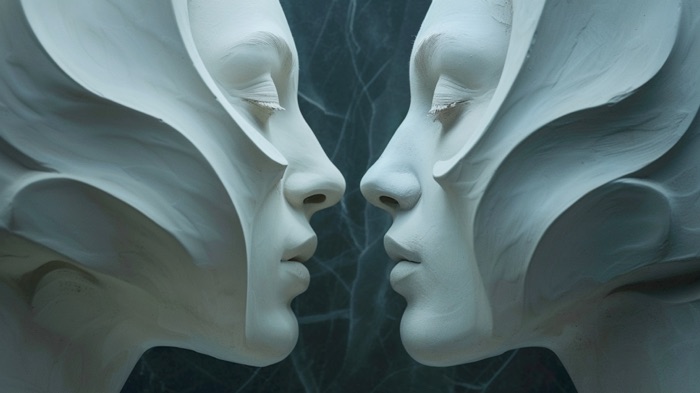
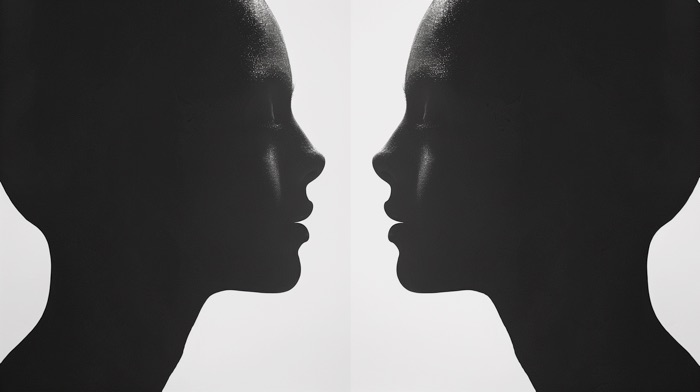
Often, we can’t quite put our finger on why something is great, because we may not even understand the creative urges and impulses that motivated the artist to create in the first place. So we don’t see, often, how something great came into being. But one thing we can effectively do is analyze greatness and determine what wasn’t done. Negative Space. This in and of itself is a deeply valuable learning exercise. What did the artist not do?
This can be a fun and simple process when observing others work, looking at or listening to a work of art you admire and applying questions you might apply to your own work to understand that of others.
In the visual arts, say you are a Director of Photography, you might look at imagery from another professional and ask yourself not why is this so beautiful but perhaps another set of questions that might include “What is the color palette? What colors or hues have been excluded and not used and why? What is the balance of light and shadow? Why are highlights and obscurity in the places that they are in? Why is the camera moving? Why isn’t the camera moving?
So too in Sound might you ask these questions: Why did they choose to be quiet in this moment? What does that mean? Why is the sequence as loud as it is and how does that comment on the story? Why can’t we hear the dialogue very well? What does this tell us about the character situation? Why do we only hear the dialogue and not atmospheric sound? And what does that tell us about the characters state of mind?
Another useful exercise in discovering what wasn’t done, or finding the negative space, is to ask oneself what the tropes are and determine if they were adhered to, violated intentionally or improved upon. Why is there no handheld camera in the shot? Why is a notably caustic actor cast in a sympathetic role? Why is the antagonist wearing white?
For Dune pt 1we asked ourselves a very important question in the beginning of the sound design process: what are the tropes in science fiction and how can we avoid them? The first answer that came, and the one we applied religiously, was that most science-fiction sound utilized electronic sound and synthesizers to create an aural universe that felt like a world we didn’t live in, a world that contained sounds we hadn’t heard before. This, of course, follows logically because we are seeing things we’ve never seen before. We opted to avoid that sound trope. We committed to using no electronics sound as much as possible. In fact, of the 3000+ bespoke sounds made for Dune pt 1, we created only four or five using synthetic or electronic means.
Looking for negative space may pose an endless series of questions… without necessarily correct answers. But the process of inquiry allows us to dig a little deeper into another’s work to deconstruct and, hopefully, find clues that can guide us in ours.